


How to Find a Divorce Attorney Who Fits Your Case
To find a highly rated divorce attorney near you, start with lawyers licensed in your state who handle cases like yours. Check their bar standing, compare relevant experience, read several client reviews, and ask about fees and strategy before you hire anyone.
A high star rating cannot tell you whether a lawyer is the right fit for a custody dispute, complex assets, or a divorce you hope to settle. The five checks below will help you make a more useful comparison.
I’m Shane A. Taylor, and I know that finding highly rated divorce attorneys near me who truly align with your specific goals and circumstances can feel overwhelming. I practice in Alabama and Mississippi courts, and my trial advocacy background informs this practical approach to choosing counsel. The American Bar Association also offers guidance on choosing a divorce lawyer, which can help you understand what to expect from the process.
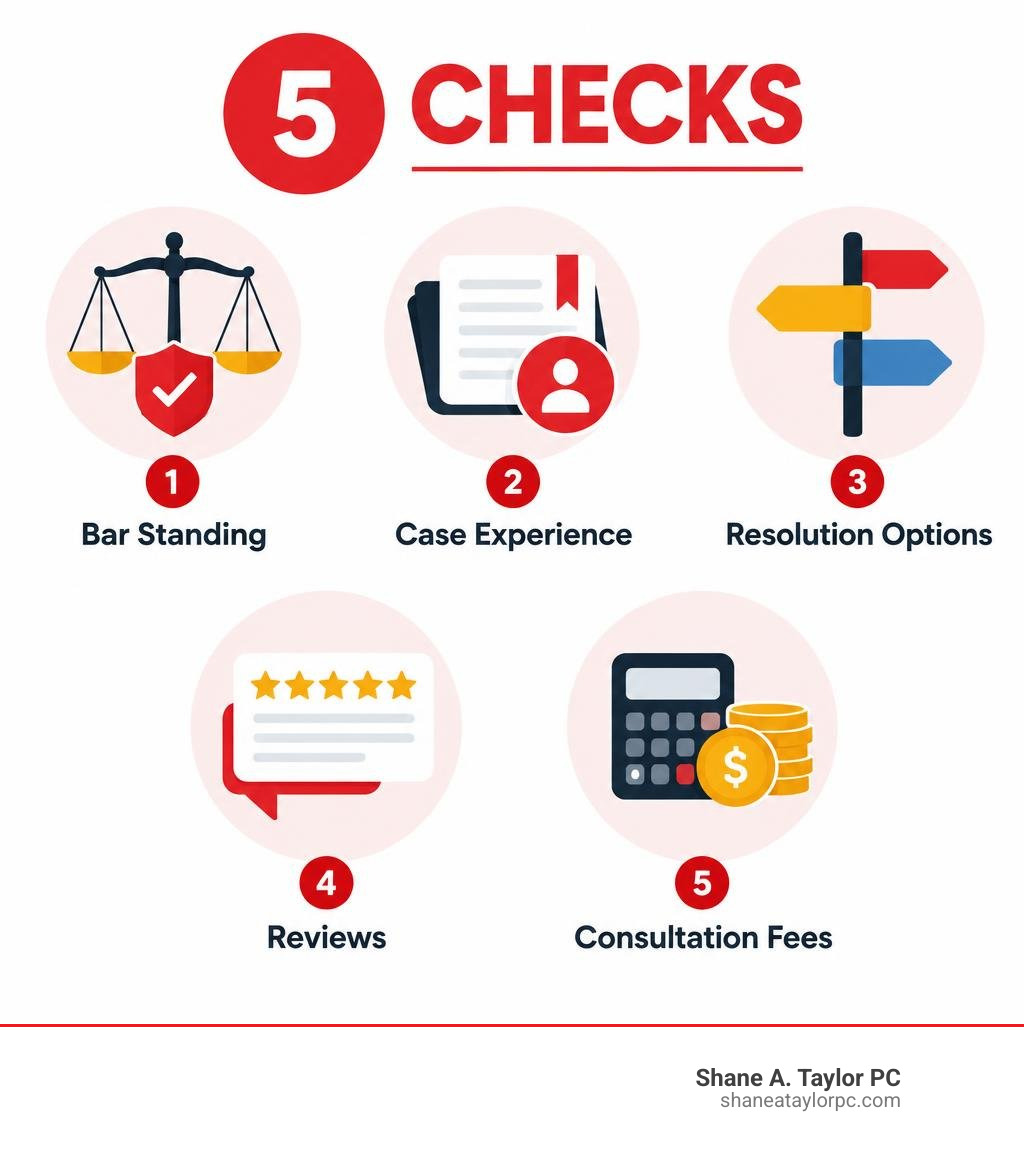
Helpful guides for finding local divorce representation:
1. Verify Specialization, Board Certifications, and State Bar Standing
When you begin narrowing down legal representation, your first step is verifying foundational credentials. While many practitioners advertise family law services, there is a distinct difference between general practitioners who accept occasional divorce cases and dedicated attorneys who concentrate their practice in domestic relations. Understanding what to look for in a good divorce attorney begins with examining their primary focus, licensing history, and professional credentials.
In many states, legal specialization programs designate attorneys who have demonstrated advanced knowledge and substantial trial experience in marital and family law. Across the country, board-certified marital and family law specialists represent an elite tier—often comprising less than 1% of licensed attorneys in their respective jurisdictions. Beyond state boards, prestigious national bodies like the American Academy of Matrimonial Lawyers (AAML) maintain rigorous fellowship standards that require peer reviews, judicial recommendations, and extensive courtroom testing.
| Feature | Board-Certified / Dedicated Family Lawyer | General Practice Attorney |
|---|---|---|
| Primary Caseload | 80%–100% Family and Matrimonial Law | Mixed (e.g., Personal Injury, Traffic, Probate, Real Estate) |
| Peer Review Screening | Evaluated regularly by judges and opposing counsel | Standard state licensing only |
| Specialized Testing | Must pass rigorous specialty examinations (where applicable) | General Bar Exam only |
| Advanced CLE Hours | Focused continuously on evolving family court case law | General continuing education credits |
| Courtroom Familiarity | Daily presence in local family court divisions | Occasional appearances across diverse municipal or civil courts |
Board-Certified Specialists vs. General Practitioners
A general practice attorney may draft a solid initial petition, but complex marital dissolutions frequently encounter procedural hurdles that demand seasoned family law experience. A dedicated domestic relations practitioner understands local judicial preferences, evidentiary requirements for custody hearings, and the tactical timing of temporary financial motions.
When attorneys undergo peer review through organizations like Super Lawyers or the AAML, their courtroom performance, ethical record, and negotiation techniques are evaluated directly by colleagues and presiding judges. This continuous peer vetting helps ensure that your counsel maintains the respect of the bench, which can significantly influence settlement discussions and trial efficiency.
Verifying Credentials of Highly Rated Divorce Attorneys Near Me
Before booking an initial meeting, independently verify the standing of any prospective counsel through official regulatory channels. You can follow these 7 tips for finding a qualified divorce attorney to ensure your search yields legitimate professionals:
- Search the State Bar Public Directory: Access the official state bar portal (such as the Alabama State Bar directory) to confirm that the attorney holds an active, valid license in good standing.
- Review Disciplinary Records: Look up whether the lawyer has received public reprimands, suspensions, or ethics sanctions.
- Confirm Local Court Admissions: Ensure the attorney is licensed in the specific state and federal jurisdictions relevant to your filing.
- Cross-Check Peer and Industry Ratings: Consult third-party rating systems, judicial endorsements, and regional listings to verify sustained excellence over time.
2. Match Niche Case Experience to Your Specific Divorce Needs

No two marriages end the same way, and an attorney who excels at rapid, uncontested administrative filings may not possess the financial or trial background required for high-stakes marital litigation. Aligning your attorney’s specific background with your unique domestic circumstances is critical to protecting your long-term interests. Reviewing a regional divorce guide for finding your legal champion will clarify how local family courts handle distinct asset structures and parenting plans.
High-Net-Worth, Gray Divorce, and Complex Asset Division
High-asset divorces and “gray divorces” (involving spouses aged 50 and older) present intricate financial questions that general practitioners might overlook. When substantial assets are at stake, your legal team must navigate complex property division, tax consequences, and business valuations.
Key elements in high-net-worth and later-life divorces include:
- Closely Held Business Valuations: Establishing accurate market values for family businesses, partnerships, and professional practices while factoring in goodwill and operational revenue.
- Executive Compensation and Equity: Analyzing restricted stock units (RSUs), stock options, profit-sharing arrangements, and deferred compensation packages.
- Forensic Accounting Integration: Collaborating with forensic accountants and Certified Divorce Financial Analysts (CDFAs) to trace separate property, identify hidden accounts, and structure equitable property offsets.
- Retirement and Pension Splitting: Drafting Qualified Domestic Relations Orders (QDROs) to divide 401(k) plans, military pensions, state retirement funds, and private pensions without incurring premature tax penalties.
- Long-Term Alimony & Healthcare: Structuring spousal maintenance and securing continuous health coverage, particularly in gray divorces where retirement security and long-term healthcare needs are paramount.
Child Custody and High-Conflict Parenting Disputes
When minor children are involved, emotional intensity often escalates. You need an attorney who combines empathy with decisive tactical skill in contested custody proceedings. There are critical facts every parent must know before hiring a custody lawyer to safeguard their children’s wellbeing and parental rights.
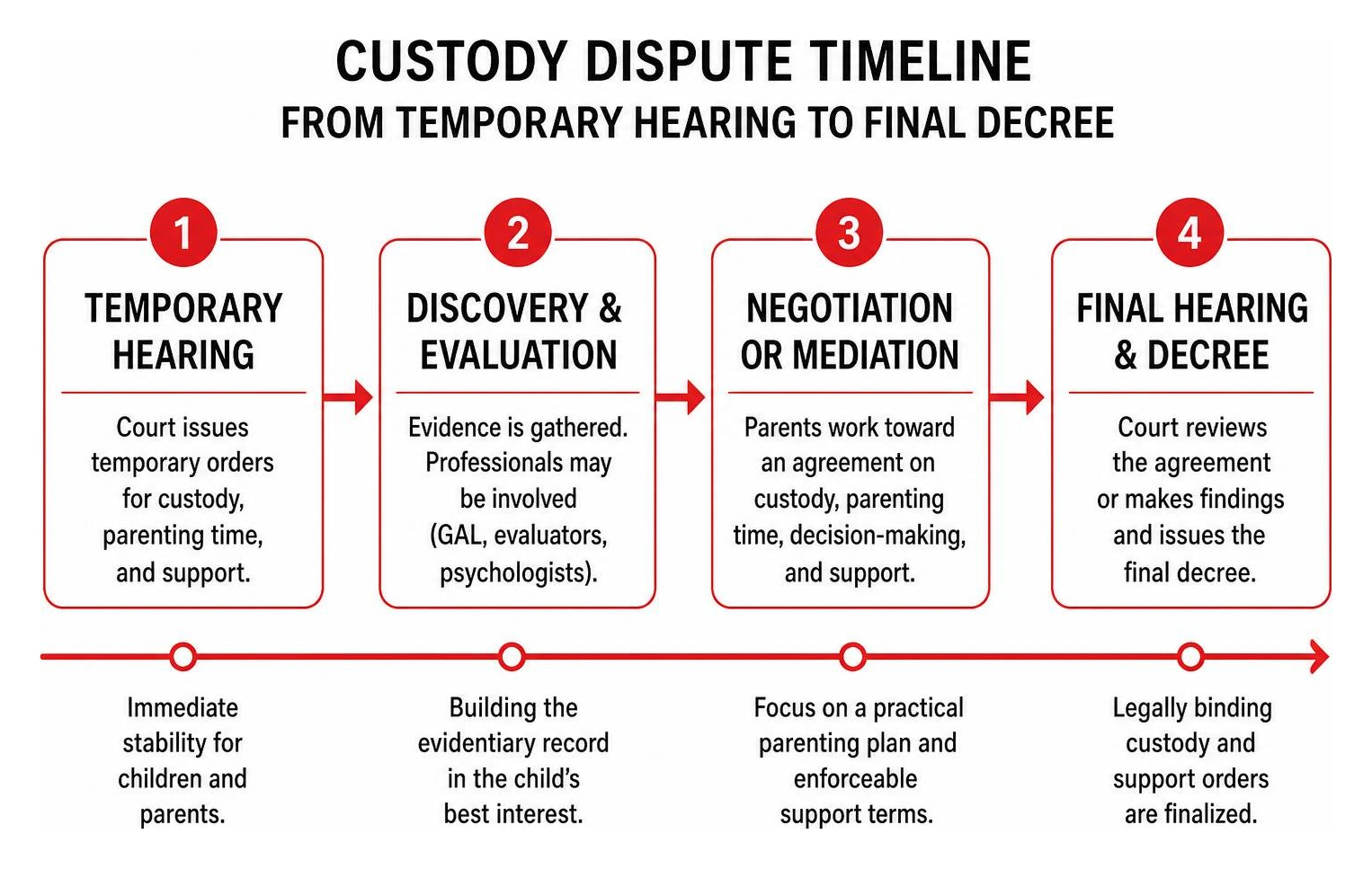
In contested cases involving personality conflicts, substance abuse allegations, or parental alienation claims, your attorney should know how to work with court-appointed Guardians ad Litem (GALs), child psychologists, and custody evaluators. An experienced family advocate builds an evidentiary record focused squarely on the best interests of the child, establishing practical parenting schedules, decision-making authority, and enforceable child support parameters.
3. Compare Dispute Resolution Paths: Litigation, Mediation, and Collaboration
The legal mechanism you choose to resolve your divorce will dictate your overall timeline, emotional stress, and financial investment. Understanding your options through insider tips for divorce cases helps you determine whether an aggressive courtroom stance or a cooperative alternative best serves your objectives.
| Dispute Path | Primary Setting | Decision Maker | Discovery Process | Best Suited For |
|---|---|---|---|---|
| Courtroom Litigation | Family Court / Judge Chambers | Presiding Family Court Judge | Formal subpoenas, depositions, interrogatories | High-conflict disputes, domestic violence, hidden assets, contested custody |
| Divorce Mediation | Neutral Private Conference Room | Mutually agreed by both spouses | Voluntary exchange with mediator oversight | Amicable couples, moderate assets, uncontested agreements |
| Collaborative Divorce | Multidisciplinary Team Meetings | Spouses with specialized counsel | Transparent, informal financial sharing | Complex estates with mutual commitment to stay out of court |
Mediation and Collaborative Divorce Models
Alternative dispute resolution allows couples to maintain privacy and retain control over the outcome rather than delegating decisions to a judge. In mediation, a neutral third-party mediator facilitates negotiations on property, support, and custody, helping the parties reach a voluntary settlement.
Collaborative divorce takes this a step further: both spouses retain dedicated collaborative attorneys and sign a binding agreement disqualifying those lawyers from taking the case to court if negotiations break down. For couples seeking streamlined resolutions without extensive conflict, exploring flat-fee amicable separation options can preserve marital wealth while keeping discussions respectful.
Courtroom Litigation and Contested Hearings
While out-of-court settlements are generally preferred for privacy and efficiency, aggressive litigation becomes indispensable when opposing counsel is uncooperative, marital assets are concealed, or child safety is compromised.
A seasoned litigator prepares every case for trial from day one. This process involves issuing formal subpoenas, taking depositions under oath, drafting motions for temporary spousal support, and executing detailed cross-examinations during trial. Having strong trial counsel ensures your constitutional rights and financial interests remain protected if a negotiated settlement is not feasible.
4. Assess Peer Endorsements, Client Reviews, and Reputation

Marketing claims and polished websites are easy to produce, but an attorney’s enduring reputation among former clients, peers, and local judges provides the truest indicator of their day-to-day effectiveness. Learning how to choose a top-rated divorce attorney locally requires looking past simple star counts and analyzing the detailed narrative behind every review.
Analyzing Real Client Testimonials
When reading client testimonials, pay attention to specific qualities rather than generic praise. High-performing family law firms consistently demonstrate distinct operational strengths in their verified client reviews:
- Responsive Communication: Did the legal team return phone calls promptly, provide regular status updates, and demystify complicated legal processes?
- Preparation Under Pressure: Did former clients feel thoroughly prepped for depositions, temporary hearings, and mediation sessions?
- Honest Guidance: Did the lawyer manage expectations and provide realistic assessments, or did they make inflated promises that led to disappointment?
- Billing Integrity: Did clients receive transparent, itemized statements without unexpected surprise charges?
Evaluating Objective Peer Honors and Legal Awards
Peer-reviewed accolades offer an objective counterpoint to consumer feedback. Recognitions such as The Best Lawyers in America, Super Lawyers, and Martindale-Hubbell peer review ratings rely on confidential evaluations submitted by colleagues and judges who have witnessed the attorney’s skills firsthand. These honors reflect proven legal knowledge, strong professional ethics, and courtroom proficiency.
5. Vet Highly Rated Divorce Attorneys Near Me During the Initial Consultation
The initial consultation is your opportunity to interview a prospective attorney and determine whether their working style matches your needs. Utilizing a comprehensive local divorce guide allows you to enter this meeting with targeted, strategic questions.
Consultation Questions for Highly Rated Divorce Attorneys Near Me
During your initial consultation, treat the conversation as a comprehensive job interview. Ask the following targeted questions to evaluate the firm’s strategy and day-to-day management:
- What percentage of your active caseload is dedicated exclusively to family and marital law?
- Will you personally handle my court appearances and strategic drafting, or will my case be delegated to junior associates?
- What is your typical ratio of cases settled through negotiation versus those taken to trial?
- What is your communication protocol for urgent developments or time-sensitive questions?
- Based on my preliminary marital asset and debt profile, what major legal or financial hurdles do you foresee?
- How do you approach temporary child custody arrangements and support orders while the final divorce is pending?
Understanding Retainer Structures and Billing Practices
Divorce representation is an investment in your future, making complete financial clarity essential before signing a retainer agreement. As you begin preparing for your divorce, make sure you understand how family law firms bill for services:
- The Initial Retainer: An upfront security deposit deposited into a dedicated client trust account (IOLTA), from which earned legal fees and court filing costs are deducted monthly.
- Hourly Rate Structures: Clear disclosures detailing the hourly rates for senior partners, associates, and paralegals.
- Evergreen Provisions: Contractual clauses requiring you to replenish the trust account if your balance falls below a specified minimum threshold.
- Detailed Invoicing: Transparent, monthly itemized invoices describing all discrete tasks performed on your behalf down to tenth-of-an-hour increments.
Frequently Asked Questions About Local Divorce Attorneys
How do I find highly rated divorce attorneys in my local area?
Finding an exceptional advocate starts with utilizing state bar association referral networks, reviewing local court directories, and reading verified client reviews. Additionally, working with an experienced local divorce attorney ensures you have counsel familiar with local judicial procedures, family court clerks, and regional practices.
What documents should I bring to an initial divorce consultation?
To make your initial consultation as productive as possible, organize and bring:
- The past three to five years of state and federal tax returns (including W-2s, 1099s, and K-1s).
- Recent bank, brokerage, retirement, and pension statements.
- Real estate deeds, mortgages, and vehicle titles.
- Schedules of outstanding debts, personal loans, and credit card balances.
- Any prenuptial, postnuptial, or legal separation agreements.
- A proposed parenting schedule and notes on existing child-related expenses.
How do attorney retainer fees work in divorce cases?
A retainer fee is an initial deposit paid by the client to secure the attorney’s services. The funds remain in a dedicated client trust account until the firm completes work on your case. Each month, your attorney generates an itemized bill showing the hours worked by attorneys and paralegals, transfers those earned funds into their operating account, and provides you with a statement. Any unearned retainer balance remaining at the conclusion of your matter is refunded directly to you.
Conclusion
Navigating the end of a marriage is one of life’s most difficult transitions, but you do not have to face it without clear direction. By verifying state bar standing, matching specific case experience to your family’s needs, selecting the right dispute resolution path, and conducting thorough consultation interviews, you can secure legal counsel that protects your parental rights and financial future.
At Shane A. Taylor PC, we provide focused, compassionate, and trial-tested representation designed to help you move forward with confidence. If you are preparing for a divorce or custody matter, schedule a confidential family law consultation with our team today to develop a clear, strategic path forward.